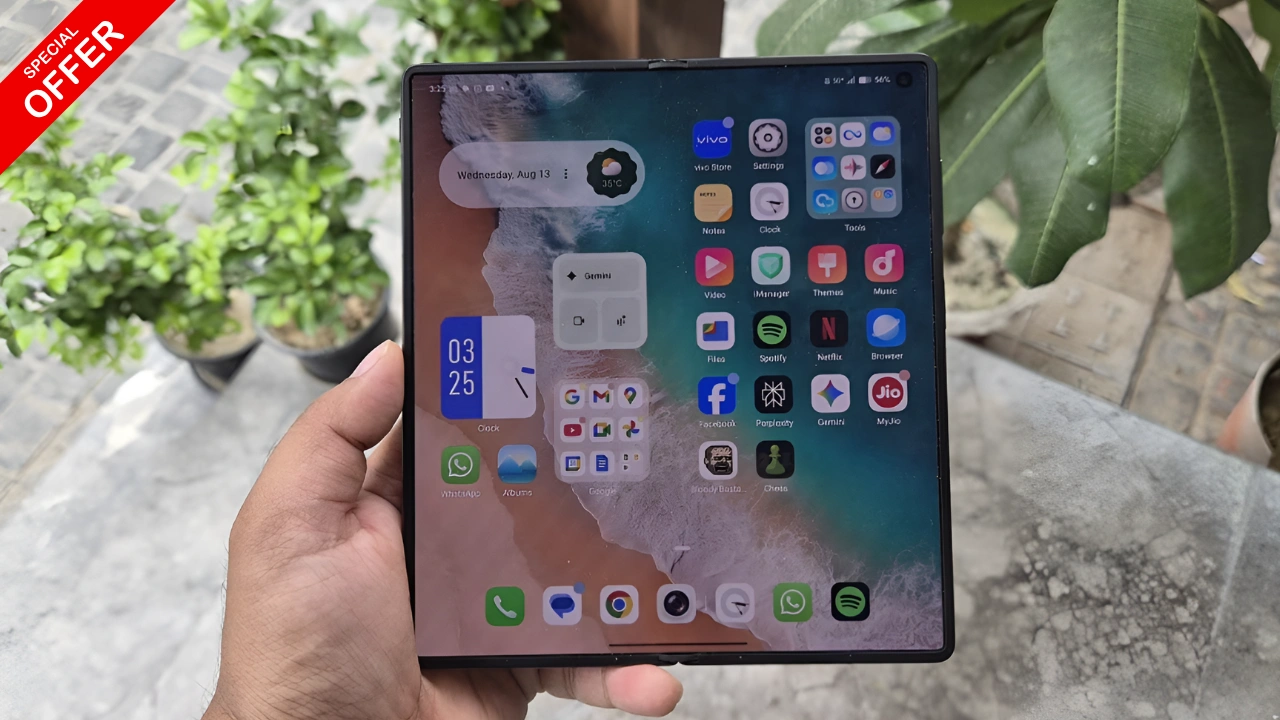
The Reserve Bank of India (RBI) is reportedly preparing to update its Fair Practices Code to address rising consumer loan defaults. One of the most controversial aspects of the proposed changes is allowing banks and non-bank financial companies (NBFCs) to remotely lock smartphones purchased on EMI if borrowers default on payments.
Concerns for Consumers
This directive has sparked widespread debate over fairness, digital inclusion, and data privacy. Many consumers are now questioning whether buying a premium smartphone on EMI is worth the risk, especially in an era where personal data security is a growing concern.
How Remote Locking Would Work
While physical collection of devices by banks is not feasible, software-based solutions make remote device locking possible:
- Lenders can disable the smartphone if EMIs are not paid on time.
- The measure is intended to incentivize repayment and reduce defaults on consumer loans.
Implications for Buyers
- Premium phone buyers may reconsider financing options.
- Users will need to ensure proper understanding of loan terms before purchasing expensive devices on credit.
- Questions remain about data privacy, device access, and enforcement mechanisms under this directive.
Takeaway
While the RBI’s move aims to strengthen financial discipline among borrowers, it raises important discussions about consumer rights, privacy protection, and the practicalities of enforcing such measures in the digital age.